CredEvolv
  • Solutions
  • How It Works
  • CredEvolvIQ
  • Refer a Client
  • Enroll
  • Skip to primary navigation
  • Skip to main content
CredEvolv - Better Credit Begins Here

CredEvolv

Better credit begins here.

  • Home
  • For Lenders
  • How It Works
  • Lender ROI Calculator
  • Successes
  • Resources
  • About
    • Contact
    • Press
  • CREDEVOLVIQ
  • Get Help
  • Show Search
Hide Search

Credit Education

Understanding Your Credit Rights as an Empowered Borrower

CredEvolv · August 18, 2025 ·

This article was originally published on November 25, 2025, and was updated as of August 18, 2025 to reflect timely credit information.

Key takeaways about your credit rights:

  • As a consumer, you have specific rights that protect you whenever you apply for or use credit.
  • These rights ensure transparency, privacy, and recourse if something goes wrong.
  • Knowing and using your rights helps you take control of your credit and your financial future.
  • CredEvolv connects you with certified, nonprofit credit counselors who help you put these rights to work for long-term credit health.

Many people assume that borrowing puts them at a disadvantage. Yes, you agree to repay what you borrow – but that does not mean lenders or collectors can treat you however they want. U.S. consumer protection laws set guardrails that give you transparency, privacy, and leverage when you need it most.

Below are 10 essential credit rights, what they mean in plain language, and how CredEvolv’s counselor partners can help you use them to build lasting credit strength.

CredEvolv Blog - Understanding Your Credit Rights as an Empowered Borrower

Each time someone requests a copy of your credit report – whether it’s a bank, credit card issuer, or potential employer – it’s documented. You have the right to see who has inquired about your credit.

1. The right to view your credit reports – for free

You can access your credit reports from Equifax, Experian, and TransUnion – or through AnnualCreditReport.com at no cost. The bureaus have made free weekly online reports a permanent option, so you can check as often as you need.

Why it matters: Frequent checks help you spot errors, track progress, and catch identity theft early.

How CredEvolv helps: Our counselor partners translate credit reports into action steps so you know exactly what to do next.

2. The right to know who pulled your credit

Every time a business accesses your report, it creates an inquiry. You can see who looked and why. Only those with a permissible purpose – like creditors, landlords, insurers, certain employers with your consent, and government agencies – can access your file.

Pro tip: Too many unnecessary hard inquiries can hurt your score. Counselors can help you plan applications to minimize impact.

3. The right to dispute errors – and get a timely investigation

If you find information that’s inaccurate or incomplete, you can dispute it with both the credit bureau and the company that furnished the data. In most cases, the bureau must investigate and respond within 30 days.

Credit reporting agencies are required to investigate any item you believe is incorrect, ensuring that only accurate information impacts your credit. Inaccurate negative entries can lower your credit score and make borrowing more expensive or even unattainable.

How CredEvolv helps: Counselors guide you step-by-step – what to dispute, how to document it, and how to follow up.

4. The right to add missing positive data

Your reports may not reflect all of your responsible behavior. Depending on the situation, you may be able to add positive information – like certain on-time payments – through approved channels, which can help thicken a thin file and potentially improve credit profiles.

How CredEvolv helps: Counselors identify constructive ways to build history and choose tools that align with your goals.

5. The right to have old negative information removed

Negative items don’t last forever. Most negative information must be removed after seven years. Bankruptcies can remain for up to 10 years. There are limited exceptions for very large credit, employment, or insurance decisions.

How CredEvolv helps: Counselors map out a timeline so you know when items should age off and how to rebuild in the meantime.

6. The right to add a brief personal statement

If a legitimate hardship – like a job loss, illness, or divorce – helps explain certain late payments or accounts, you can add a short statement to your file that appears with future reports. This is especially useful when a dispute remains unresolved.

How CredEvolv helps: Counselors help you keep it concise, factual, and professional so lenders quickly understand the context.

7. The right to privacy – your data isn’t a free-for-all

Your report contains sensitive information. The law restricts who can access it and why. Regulators actively enforce the “permissible purpose” rules so companies can’t misuse your data.

How CredEvolv helps: We only partner with nonprofit counselors who handle your information carefully and confidentially.

8. The right to protect your credit with fraud alerts and freezes

If you’re concerned about identity theft, you can place a fraud alert at no cost. You can also freeze your credit so new accounts can’t be opened in your name until you lift the freeze. These tools are powerful prevention steps.

How CredEvolv helps: Counselors help you decide when to use alerts versus a freeze and how to manage them as your situation changes.

9. The right to know why you were denied credit

If you’re turned down – or offered credit on less favorable terms – you’re entitled to an adverse action notice that explains the key reasons. Under federal rules, you also have a window to learn more about the information used in the decision, so you can correct errors and prepare for a stronger re-application.

CredEvolv’s platform helps you respond to these situations proactively. Our counselor partners are here to support you in creating a tailored action plan that addresses areas of improvement. That way, your next credit application has a better chance of approval.

The right to small claims court for credit disputes

If you’re turned down – or offered credit on less favorable terms – you’re entitled to an adverse action notice that explains the key reasons. Under federal rules, you also have a window to learn more about the information used in the decision, so you can correct errors and prepare for a stronger re-application.

How CredEvolv helps: Counselors translate those reasons into a focused plan to address them.

10. The right to escalate unresolved problems

If a bureau or furnisher doesn’t fix a clear error, you can escalate – including filing a complaint with the CFPB and, if needed, pursuing legal remedies. Debt collectors are prohibited from harassing or abusing you, and you have specific rights when they contact you.

How CredEvolv helps: Counselors help you organize documentation, understand next steps, and keep momentum without burning out.

Bonus: Moving states does not erase your credit history

Your credit file with the nationwide bureaus stays with you when you move within the U.S. You won’t “start from scratch” – which is good news if you’ve built strong habits. If you’re rebuilding, your plan moves with you, too.

How CredEvolv turns rights into results

Understanding your rights is step one. Using them effectively is what changes outcomes. CredEvolv connects you with certified, nonprofit credit counselors who help you:

  • Read your reports and prioritize the highest-impact actions
  • Dispute errors with complete documentation and smart follow-ups
  • Strategically time applications to avoid unnecessary hard pulls
  • Add legitimate positive data to strengthen your profile
  • Build a step-by-step plan so progress keeps compounding

When your current score is holding you back from buying a home or reaching other big goals, having a coach in your corner makes all the difference. On the CredEvolv platform, you’re never doing this alone.


Why Partnering with Reputable Credit Counselors Is So Important

CredEvolv · August 11, 2025 ·

This article was originally published on January 8, 2025, and was updated as of August 11, 2025 to reflect timely credit information.

Key takeaways about credit counselors:

  • Partnering with reputable, nonprofit credit counselors is critical for compliance and sales professionals at lending institutions.
  • Referring borrowers to for-profit credit repair companies can expose your institution to severe consequences: regulatory penalties, reputational damage, legal liability, and possible redlining scrutiny.
  • HUD-certified nonprofit credit counseling agencies deliver better borrower outcomes, build trust with regulators, and improve conversion rates.
  • CredEvolv connects lenders directly with HUD-certified, nonprofit credit counselors, ensuring compliance and supporting borrower success.

Why Reputable Credit Counseling Partnerships Matter More Than Ever

Compliance and sales teams at lending institutions walk a fine line every day: balancing the mission to help borrowers achieve their financial goals with the responsibility to follow a complex web of federal and state regulations.

Why Partnering with Reputable Credit Counselors Is So Important

One of the most persistent challenges in this balancing act is how to serve borrowers with credit challenges – a demographic that continues to grow as economic pressures tighten household budgets. These borrowers represent both an opportunity and a risk: they can become loyal, long-term clients if given the right resources, but they also present compliance pitfalls if those resources are not vetted.

This is where partnering exclusively with reputable, nonprofit credit counselors becomes a strategic advantage. Done right, it’s not only a compliance safeguard it’s a revenue growth lever.

The Risk of Working with Unscrupulous Credit Repair Companies

The credit repair industry is unfortunately populated with for-profit operators that overpromise, underdeliver, and sometimes operate in outright violation of federal and state laws. While some may provide legitimate services, the risk of recommending the wrong company can be catastrophic for your institution.

Here’s what’s at stake:

Borrowers who complete legitimate credit counseling programs usually achieve better credit scores. This makes it easier for your institution to convert them into qualified applicants without unnecessary delays.

  1. Regulatory Penalties: Laws like the Credit Repair Organizations Act (CROA) impose strict rules on how credit repair services can operate. If your institution refers borrowers to a company that violates these rules, you could be seen as enabling or endorsing noncompliance – opening the door to hefty fines and enforcement actions.
  2. Reputational Damage: A borrower who falls victim to predatory practices may publicly associate the negative experience with your institution. Even if your involvement was limited to a referral, negative press, online reviews, and word-of-mouth can erode trust with both customers and regulators.
  3. Legal Liability: If the referred company engages in fraud, misleading advertising, or illegal fee structures, lawsuits can follow – and your institution’s name may appear in the filings.
  4. Possible Redlining Exposure: Credit score disparities often overlap with racial and economic inequalities. Failing to connect disadvantaged borrowers to legitimate credit improvement resources could invite scrutiny for discriminatory lending practices, including redlining investigations.

The bottom line: recommending a noncompliant, profit-driven credit repair company isn’t just a bad borrower experience – it’s a compliance and business risk your institution can’t afford.

Why HUD-Certified, Nonprofit Credit Counselors Are Different

Unlike many for-profit credit repair companies, HUD-certified nonprofit credit counseling agencies operate under strict ethical, educational, and regulatory guidelines. Their mission isn’t to keep borrowers in the program as long as possible – it’s to help them become financially stable and loan-ready as quickly and sustainably as possible.

Nonprofit credit counselors:

  • Create personalized, holistic financial plans for each borrower
  • Focus on long-term credit health and debt reduction, not quick fixes
  • Offer transparent pricing and disclosures
  • Operate within federal and state compliance frameworks
  • Provide ongoing borrower education so improvements last

The Business Case: Benefits for Lenders

When your institution partners with a vetted, nonprofit credit counseling agency, the benefits go far beyond staying compliant. You gain:

  1. Better Borrower Outcomes: Borrowers who complete nonprofit counseling programs tend to achieve higher credit scores, qualify for better loan terms, and develop healthier financial habits. That means more qualified applicants – and fewer declined loans – coming back to your pipeline.
  2. Strengthened Trust with Regulators: Showing that you have a structured, compliant process for helping credit-challenged borrowers builds credibility in audits and examinations. Regulators see the proactive effort to protect borrowers and reduce lending risk.
  3. Improved Conversion Rates: The faster a borrower improves their credit, the sooner you can move them through the loan process. With a reputable partner, you reduce time-to-qualification and keep your pipeline moving.
  4. Transparent Progress Tracking: Nonprofit counseling agencies on the CredEvolv platform keep lenders updated on borrower milestones, so you know exactly when to re-engage for a new loan application.

How CredEvolv Protects Lenders While Empowering Borrowers

At CredEvolv, our platform is built to remove the guesswork from finding, vetting, and working with credit counselors. We connect lenders exclusively to HUD-certified, nonprofit credit counseling agencies — no gray areas, no risky operators.

Here’s how we make compliance and borrower success work hand-in-hand:

  • Vetted Partnerships: Every counseling agency we work with meets rigorous HUD certification requirements and follows strict state and federal laws.
  • Real-Time Progress Monitoring: Our platform provides you with ongoing updates, so you always know how your borrower is progressing.
  • Customizable Reporting: Generate compliance-friendly reports to document your commitment to ethical lending.
  • System Integration: We integrate seamlessly into your existing workflows, ensuring smooth communication between your team and the counselor.
  • Borrower Education Resources: From budgeting guidance to credit-building tips, we ensure borrowers have the tools to succeed long after the counseling ends.

A Real-World Example

Imagine this scenario:

A borrower applies for a mortgage but is declined due to a 580 credit score. Instead of turning them away, your LO refers them to a nonprofit credit counselor through CredEvolv.

The counselor:

  • Reviews their credit report in detail
  • Identifies outdated collection accounts to dispute
  • Advises on reducing credit utilization
  • Sets up a plan for on-time payments

Over the next six months, the borrower’s score climbs to 640. You’ve been tracking their progress the whole time via the CredEvolv dashboard. The moment they’re loan-ready, you re-engage – and close the deal.

Result: A happy borrower, a compliant process, and a successful loan origination that might never have happened otherwise.

CredEvolv: A Win-Win for Compliance and Conversions

Partnering with reputable credit counselors isn’t just about avoiding risk – it’s about unlocking opportunity. With CredEvolv, you can:

  • Increase the pool of qualified borrowers
  • Mitigate compliance and reputational risks
  • Shorten time-to-close for credit-challenged applicants
  • Build stronger relationships with both regulators and clients

Helping borrowers improve their credit while staying compliant should not be two separate goals — they’re part of the same strategy. By connecting your borrowers with HUD-certified, nonprofit credit counseling agencies through CredEvolv, you safeguard your institution from regulatory trouble while giving borrowers the best possible path to homeownership.

Your next step is simple:
Start referring credit-challenged borrowers to a trusted, compliant partner. See how CredEvolv can help you protect your reputation, meet regulatory standards, and close more loans.

10 Essential Steps to Protect Your Credit from Fraud

CredEvolv · August 4, 2025 ·

This article was originally published on August 28, 2024, and was updated as of August 4, 2025 to reflect timely credit information.

Key takeaways about credit fraud:

  • In today’s digital landscape, protecting your credit is not optional – it’s essential.
  • Credit fraud and identity theft can wreak havoc on your financial health.
  • These 10 proactive steps will help you defend your credit and recover faster if fraud occurs.
  • Credit protection isn’t a one-time action. It’s an ongoing process of awareness and vigilance.

In the age of digital everything, your credit profile is more than a number – it’s your financial passport. It impacts your ability to buy a home, secure a car loan, get a business line of credit, or even land certain jobs. That’s why credit fraud is such a serious threat. And unfortunately, it’s more common – and more sophisticated – than ever before.

Identity theft has affected many Americans, with credit fraud topping the list of complaints. Add to that the constant stream of data breaches and hacks that expose Social Security numbers, bank account details, and personal information, and it’s clear: protecting your credit isn’t just smart – it’s essential.

At CredEvolv, we don’t just help consumers build credit and qualify for loans. We help them protect it. Here are 10 critical steps you can take to protect your credit from fraud and build a stronger financial future..

CredEvolv Blog - Main Article Image - 10 Essential Steps to Protect Your Credit From Fraud

1. Monitor Your Credit Reports Regularly

The foundation of credit fraud prevention starts with awareness. Monitoring your credit report helps you catch suspicious activity early – before it becomes a bigger issue.

You’re entitled to one free credit report per year from each of the three major credit bureaus: Equifax, Experian, and TransUnion, which allows you to keep a close eye on any unusual activity.

Look for:

  • Accounts you don’t recognize
  • Hard inquiries you didn’t authorize
  • Name or address changes you didn’t make
  • Delinquencies or balances that look off

If you spot anything suspicious, dispute it immediately with the credit bureau. Acting quickly can limit the damage and help restore your credit faster.

2. Set up fraud alerts

Think of a fraud alert as a red flag to lenders. When it’s in place, creditors must take additional steps to verify your identity before issuing new credit in your name.

To set one up, contact any of the three bureaus – they’re required to notify the others. Fraud alerts last for one year and can be renewed annually. If you’ve been a victim of identity theft, you may qualify for an extended alert (7 years).

Bonus Tip: Fraud alerts are free and won’t affect your credit score.

3. Freeze Your Credit for Maximum Protection

A credit freeze is one of the most effective tools to prevent credit fraud. It restricts access to your credit report, making it nearly impossible for identity thieves to open new accounts in your name.

Unlike fraud alerts, credit freezes must be placed separately with each credit bureau – but the protection is worth the extra step.

✅ Free to place and lift
✅ Doesn’t affect your credit score
✅ Can be lifted temporarily when applying for new credit

While a freeze won’t stop someone from using your existing credit cards fraudulently, it does stop them from opening new ones.

4. Use Strong Passwords and Two-Factor Authentication

Your online financial accounts are only as safe as your passwords. And many people still use ones like “123456” or “password1.”

Here’s how to lock down your digital life:

  • Use a unique password for each account
  • Include a mix of uppercase/lowercase letters, numbers, and symbols
  • Avoid names, birthdays, or common words
  • Use a password manager to keep track
  • Enable two-factor authentication (2FA) whenever available

With 2FA, even if a hacker gets your password, they still need a second code – usually sent to your phone – to gain access.

As data breaches become increasingly common, staying informed is among the best ways to be proactive about protecting your credit.

5. Watch Out for Phishing Scams

Phishing scams are designed to trick you into giving away personal or financial information. They can look like:

  • A fake bank email asking you to “verify your account”
  • A text message about a suspicious login attempt
  • A phone call from someone pretending to be the IRS

Always be suspicious of unsolicited requests for personal information. Instead of clicking links or calling back the number in the message, go directly to the company’s website or use a verified contact method.

And remember: No legitimate organization will ever ask for your Social Security number or login credentials via email or text.

6. Check Your Bank and Credit Card Statements

Credit fraud doesn’t always start with a bang. Many criminals test stolen credit card numbers with small charges first – often just $1 or $2 – to see if they go through. That’s why checking your bank and credit card statements regularly is crucial.

If you spot unfamiliar charges, report them to your bank or card issuer right away. Many financial institutions offer:

  • Real-time alerts for purchases
  • Notifications for unusual activity
  • Account lock options via mobile apps

Setting these up gives you a real-time line of defense.

7. Shred Sensitive Documents Before You Toss Them

It’s easy to focus on digital security and forget about physical credit protection. But dumpster diving is still a tactic some identity thieves use to steal:

  • Credit card offers
  • Bank statements
  • Tax forms
  • Medical bills

Buy a cross-cut shredder (not just strip-cut), and shred any paper containing personal information before tossing it in the trash.

8. Consider Identity Theft Protection Services

If you want extra peace of mind, you might consider a credit monitoring or identity theft protection service.

These services often include:

  • Continuous credit report monitoring
  • Alerts for suspicious activity
  • Dark web scans for your SSN or account numbers
  • Assistance recovering stolen identity or fraudulent charges

Many banks and credit cards offer free credit monitoring. But premium services offer more comprehensive protection – and often include identity restoration assistance if something goes wrong.

9. Stay Updated on Major Data Breaches

A single data breach can expose your personal data to hackers – and they might wait months or years before using it.

Stay on top of data breach announcements from:

  • Your financial institutions
  • Major retailers
  • Healthcare providers
  • Government agencies

If your data has been compromised:

  • Change your passwords immediately
  • Monitor your credit reports and bank statements
  • Set a fraud alert or freeze your credit
  • Report any suspicious activity to the FTC

Being proactive can make all the difference.

10. Educate yourself and your family.

The best credit protection begins with education. Knowing how identity theft happens – and how to avoid it – is powerful.

At CredEvolv, our nonprofit credit counselors don’t just help clients improve their scores – they teach people how to protect their credit for life.

Even if you’re not enrolled in our platform, you can:

  • Read up on the latest credit scams
  • Teach your kids and elderly family members to spot phishing attempts
  • Encourage regular password changes and digital hygiene
  • Share resources like this blog to raise awareness

Fraudsters prey on what people don’t know. The more informed you are, the safer your credit will be.

Final thoughts: Protecting Your Credit is an Ongoing Commitment

There’s no way to 100% guarantee you’ll never become a victim of credit fraud or identity theft. But by following the steps outlined here – and staying vigilant – you can dramatically reduce your risk and bounce back faster if something does go wrong.

Here’s the good news: You’re not in this alone. Whether you’re just starting to build credit, working to rebuild after setbacks, or protecting what you’ve worked hard to earn – CredEvolv is here to help.

Our platform connects you with certified, nonprofit counselors who can support you every step of the way – from improving your score to implementing credit security best practices that will serve you for years to come.

Why You Should Be Proud of Having a Healthy Credit Score

CredEvolv · July 28, 2025 ·

This article was originally published on August 21, 2024, and was updated as of July 28, 2025 to reflect timely credit information.

Key takeaways about having a healthy credit score:

  • A healthy credit score opens the door to better financial opportunities.
  • Good credit is a reflection of your financial habits and personal discipline.
  • There are real, tangible benefits to building and maintaining a strong credit score – from lower interest rates to better insurance premiums.
  • You can build and protect your credit by staying consistent with a few smart habits.
  • Professional support from certified credit counselors can make the process smoother and more effective.

What a Healthy Credit Score Really Means

When someone gets in shape physically, people notice. They might start wearing clothes that fit better. They carry themselves with more confidence. They radiate pride – and for good reason.

The same goes for your credit score.

While no one’s posting their FICO score on social media, there’s a deep sense of satisfaction that comes from improving your credit – especially if you’ve worked hard to turn it around. And it’s not just about numbers. It’s about proving to yourself (and to lenders) that you are dependable, responsible, and capable of managing your money in a way that serves your goals.

A healthy credit score is something to be proud of. Here’s why.

CredEvolv Blog - Main Image - Why You Should Be Proud Of Having A Healthy Credit Score

Why a Healthy Credit Score Is Worth Celebrating

  1. You feel better about yourself. When you have good credit, you walk into financial situations with your head held high. You know you’ve honored your commitments. You know you’re building a better future. And that quiet confidence can be just as important as any dollar amount in your bank account. You’ve proven to yourself that you can handle money responsibly – and that’s empowering.
  2. You get better financial offers. With a high credit score, you’re more attractive to lenders. You’ll qualify for lower-interest loans, better credit cards, and higher credit limits. Whether you’re buying a home, financing a car, or applying for a business loan, your healthy credit score helps you secure better terms – saving you serious money over time.
  3. You pay less interest. This is one of the biggest perks. With strong credit, your interest rates drop – sometimes dramatically. That means smaller monthly payments and fewer dollars wasted on interest. You get to keep more of your money and put it toward things that matter most.
  4. You’re more likely to get approved. Good credit reduces the anxiety that comes with applying for loans or credit cards. When lenders see a strong credit history, they’re more likely to say “yes.” That approval can make all the difference when you’re trying to move forward with life goals like homeownership, education, or entrepreneurship.
  5. You can qualify for lower insurance rates. Many insurance companies factor in your credit score when calculating premiums. Good credit can lead to lower rates on auto, home, and even life insurance – putting more money back in your pocket every month.
  6. You have more options when renting. Landlords often run credit checks to decide whether to rent to someone. A good score shows you’re responsible with money – and likely to pay rent on time. In tight rental markets, your score can be the reason you land the place you want.
  7. You gain peace of mind. Financial stress is real. But when your credit is strong, it’s easier to sleep at night. You know you’re in a better position to handle emergencies, plan for the future, and avoid predatory lenders. That peace of mind is priceless.

A healthy credit score is a powerful tool that reflects your financial responsibility and can unlock numerous benefits.

How to Build (and Keep) a Healthy Credit Score

If you’re not quite where you want to be – or you’re just getting started – here’s how to build and maintain good credit the right way.

  1. Pay your bills on time. This is the single most important factor in your credit score. Whether it’s a credit card, utility bill, or loan payment, being on time matters. Set up autopay or reminders so nothing slips through the cracks.
  2. Keep credit card balances low. Credit utilization – or the percentage of your available credit you’re using – is another big factor. Aim to use less than 30% of your available credit. Under 10% is even better. If you’re consistently maxing out cards, it can drag your score down, even if you make payments.
  3. Don’t open too many accounts at once. Every time you apply for new credit, it creates a “hard inquiry” on your report – and too many of these can hurt your score. Be strategic. Only apply for new accounts when it makes sense for your long-term plan.
  4. Keep your old accounts open. Even if you don’t use them often, older accounts help lengthen your credit history. That’s a good thing. Closing old credit cards can shorten your credit timeline and potentially lower your score – so think twice before you cancel.
  5. Mix up your credit. Lenders like to see that you can manage different types of credit responsibly – like credit cards, auto loans, and mortgages. A healthy credit mix shows you’re capable of handling various financial obligations.
  6. Check your credit reports regularly. Mistakes happen – and fraud does too. Stay ahead of both by reviewing your credit reports at least once a year. You’re entitled to a free report from each of the three major credit bureaus (Equifax, Experian, and TransUnion) at AnnualCreditReport.com.
  7. Work with a certified credit counselor
  8. Seek professional credit counseling if needed. If you’re feeling overwhelmed or stuck, don’t go it alone. A certified credit counselor – not a traditional “credit repair” company – can help you create a personalized plan to improve your credit. At CredEvolv, we only work with nonprofit organizations and certified professionals who truly understand how to help.

Avoid the Pitfalls of Traditional Credit Repair

Be cautious of companies that promise to “erase” negative credit history or “boost your score fast.” Many of these services charge high fees, operate outside the law, or use shady tactics that can actually hurt you in the long run.

Instead, choose a transparent, ethical path – one that empowers you to understand your credit, make lasting changes, and move forward with confidence.

That’s exactly what we do at CredEvolv.

Your Credit Score Tells a Story – Make It One You’re Proud Of

Improving your credit isn’t just about qualifying for a mortgage or getting a lower APR. It’s about the freedom to make choices. It’s about reducing stress. It’s about knowing that you’ve taken control of your financial life.

And just like physical fitness, credit fitness requires effort, consistency, and discipline. It’s a journey – but every small step you take adds up to big progress.

Whether you’ve just hit the 620 mark or you’re climbing toward 750+, take a moment to recognize how far you’ve come.

The CredEvolv Difference

At CredEvolv, we believe everyone deserves a chance to own their financial story – and rewrite it if they need to.

Our tech platform connects you with HUD-certified, nonprofit credit counselors who’ll help you build a plan, stick to it, and track your results. Whether you’re a consumer trying to qualify for a home loan or a lender looking to help more clients reach the finish line, CredEvolv is your trusted partner in credit improvement.

Ready to Feel Proud of Your Credit?

You’ve got what it takes to build a credit score that reflects your potential. We’re here to help you every step of the way – with tools, expert support, and a process that works.

Take the first step today.
Join CredEvolv and start building the kind of credit you can be proud of – one smart decision at a time.

How Smart Investors Use Debt and Credit to Their Advantage

CredEvolv · July 21, 2025 ·

This article was originally published on July 25, 2024, and was updated as of July 21, 2025 to reflect timely credit information.

When most people hear the word debt, they flinch. Images of late payments, mounting interest, and collections often come to mind. Borrowers get a bad rap, and it’s easy to see why. Debt, when misused, can be destructive.

But what if we flipped the script?

For investors, debt isn’t a dirty word. It’s a strategic tool – a lever to build wealth, create opportunities, and achieve long-term financial goals. And none of that is possible without good credit.

In this guide, we’ll break down how smart investors use debt and credit to their advantage, and why understanding this relationship can change your entire financial future – whether you’re a real estate investor, entrepreneur, or simply someone trying to improve your credit score.

Key takeaways about debt and credit:

  • Understanding credit and debt can unlock major financial opportunities.
  • Debt isn’t always bad – when used strategically, it can boost returns.
  • Good credit is essential to accessing low-interest financing.
  • The smartest investors often borrow money on purpose to make money.
  • If your credit needs work, start there – even the best strategies won’t help without it.
CredEvolv Blog - Main Image - How smart investors use debt and credit to their advantage

Why Credit Matters – Even if You’re Not an Investor

Whether you’re buying a home, launching a business, or just trying to get better terms on a car loan, credit is key

A strong credit profile lets you:

  • Borrow at lower interest rates
  • Access higher credit limits
  • Qualify for better financial products
  • Avoid the predatory tactics of the worst credit repair companies and lenders

Unfortunately, many people don’t realize how critical credit is until they’re denied. That’s why rebuilding your credit should be a top priority – and why credit rebuilding companies exist in the first place (just make sure you’re working with one that’s legal, ethical, and nonprofit – we’ll cover that later).

Before you read on, remember that we are not financial advisors or investment experts. You should always consult one or both before you forge ahead with any investment strategy.

How Investors Use Debt to Build Wealth

1. Leverage: Borrowing to Boost Returns

One of the primary ways investors use debt is through leverage. This involves occasionally borrowing money to increase the potential return on investment. This strategy is commonly used by real estate investors, who often use mortgages to purchase properties.

Instead of paying the full price up front in cash, they make a down payment and finance the rest. This allows them to acquire more properties than they could if they were buying them outright.

The resale or rental income generated from these properties can usually cover the purchase price or the mortgage payments and still provide a profit. Over time, as property values appreciate, the investor’s equity in the properties grows. This can lead to substantial returns when it comes time to sell or access the accumulated equity.

2. Taking Advantage of Low-Interest Loans

Not all debt is created equal. High-interest credit cards? Dangerous. Low-interest, tax-deductible loans backed by assets? That’s a different story.

Examples:

  • Home equity loans and HELOCs: Use the equity in your home to access cash at low interest. Invest in high-return assets and pocket the difference.
  • Business loans: Expand your company, upgrade your equipment, or fund a new project. As long as the return exceeds the cost of borrowing, you’re growing strategically.
  • SBA-backed financing: Often more favorable for entrepreneurs than traditional bank loans.

This is one of the best examples of how smart people – not just traditional investors – use credit solution companies and credit-building strategies to position themselves for growth.

Whether they’re investors or not, smart people prioritize building and maintaining good credit to ensure they can enjoy the most advantageous terms possible when they need to borrow money.

3. Strategic Use of Credit Cards

Yes, credit cards can be useful. Even to investors.

Used responsibly, they offer:

  • 0% introductory APR periods (great for short-term financing)
  • Cash-back and rewards that add up fast
  • Purchase protection and travel benefits for business travelers or real estate pros on the go

📌 Pro tip: Always pay your balance in full before the promo period ends. Credit cards should be a convenience, not a crutch.

What Happens If Your Credit Isn’t There Yet?

Let’s be honest: None of the strategies above work if your credit score is too low to qualify.

That’s where credit rebuilding companies come in – but not the kind that make empty promises or offer shady quick fixes.

If you’ve seen ads that promise to “delete everything from your report in 24 hours” or “get you a 750 score with no work,” that’s likely an illegal credit repair scheme.

Work only with nonprofit credit repair companies that follow the law, educate you along the way, and have a proven track record of success.

The Smarter Path: Rebuild Credit With a Trusted Partner

At CredEvolv, we believe credit should be a launchpad – not a locked door.

We partner with HUD-approved nonprofit credit counselors who work one-on-one with clients to:

  • Dispute inaccurate items on your credit report (legally)
  • Rebuild your credit with smart usage and on-time payments
  • Create debt payoff plans that fit your budget
  • Set financial goals – whether it’s homeownership, business expansion, or stability

Our platform connects you, your counselor, and any referrer (like a lender or real estate agent) to make sure everyone’s on the same page. We believe transparency + accountability = transformation.

Debt Can Be a Friend, Not a Foe

Used irresponsibly, debt can be a disaster.

But used wisely – with a solid understanding of credit, interest, and risk – debt can be a friend on your journey to financial freedom.

If your credit isn’t quite where it needs to be, don’t fall for the hype from credit repair firms that promise fast fixes with no accountability. You deserve a better path.

📣 Work with a credit counselor. Build your plan. Monitor your progress. And use debt like the smart investors do – strategically.

Because when you rebuild your credit the right way, everything changes:
✅ You qualify for better loans
✅ You unlock wealth-building opportunities
✅ You gain confidence and financial control

Four Lies and a Truth: Clearing Up Common Credit Misconceptions

CredEvolv · July 7, 2025 ·

This article was originally published on July 4, 2024, and was updated as of July 7, 2025 to reflect timely credit information.

Key takeaways about credit misconceptions:

  • Your income is not factored into your credit score.
  • Credit report errors are more common than most people realize.
  • Bankruptcy and collections can impact your score for years, even after resolution.
  • Paying off collections doesn’t necessarily raise your score.
  • Good credit involves more than just paying your bills on time.

Credit is one of the most misunderstood areas of personal finance. From social media tips to well-meaning family advice, it’s easy to fall into the trap of believing myths that can actually damage your financial health. Whether you’re trying to qualify for a mortgage, secure a credit card, or simply gain control of your finances, the truth about how credit really works can make or break your goals.

At CredEvolv, we work with consumers every day who’ve been misled by common credit myths – some of which are aggressively pushed by for-profit “credit repair” companies. That’s why we’re setting the record straight.

CredEvolv Blog - Main Image - Clearing Up Common Credit Misconceptions

1. High income automatically means a high credit score – FALSE!

One of the most widespread misconceptions is that a high income guarantees a stellar credit score. This assumption stems from the belief that more money equals better financial responsibility.

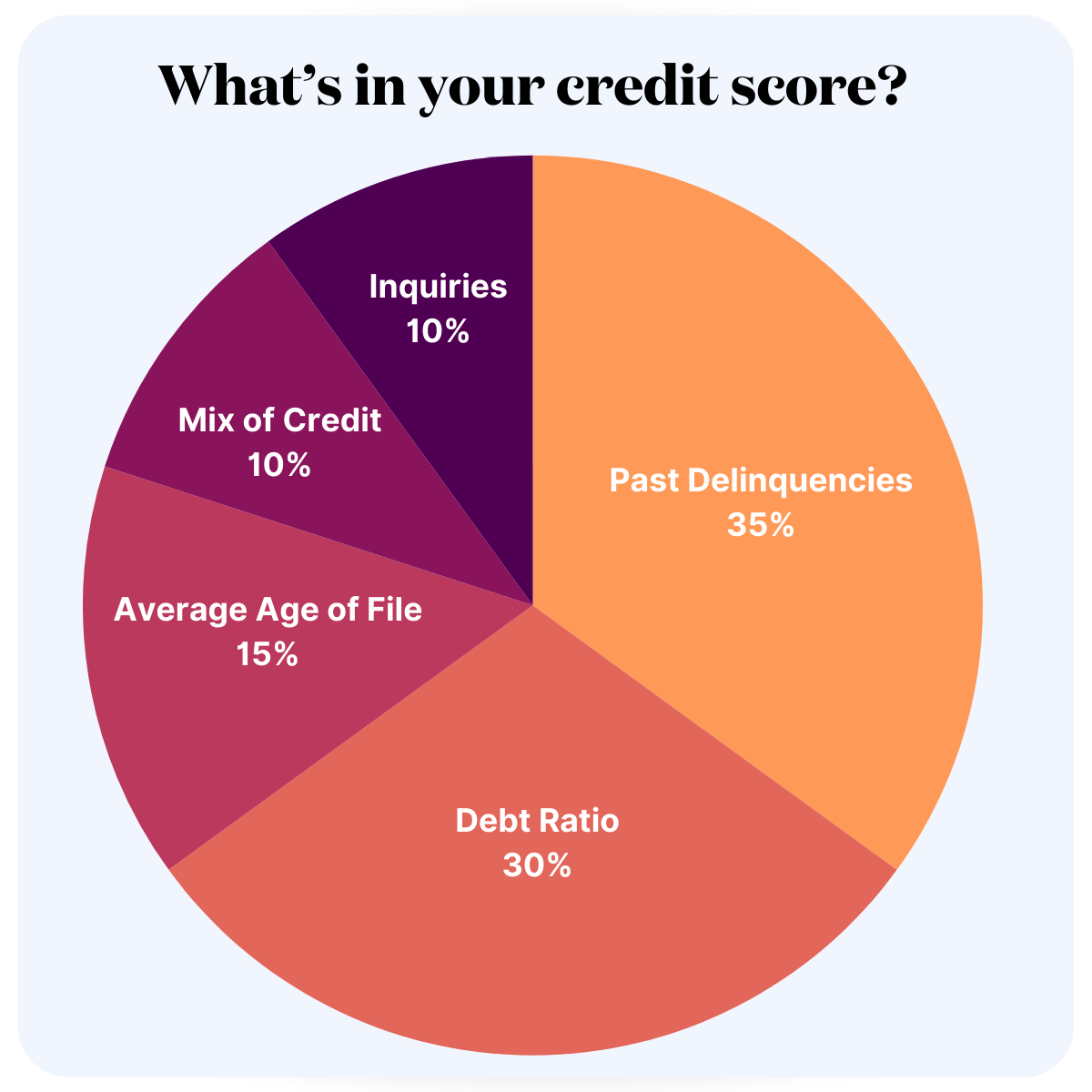
A large salary may improve your ability to repay loans, but it has zero direct impact on your credit score. Your FICO score is based on five main categories:

  • Payment history (35%)
  • Amounts owed (30%)
  • Length of credit history (15%)
  • Credit mix (10%)
  • New credit inquiries (10%)

Nowhere on that list is income.

Even high-income earners can have poor credit if they carry high balances, miss payments, or frequently open new lines of credit. On the flip side, someone with modest earnings can maintain excellent credit with consistent, responsible behavior. So, don’t confuse wealth with creditworthiness – lenders certainly don’t.

2. Mistakes on credit reports are rare – FALSE!

Many consumers have errors on their credit reports – and they’re not always minor.

These mistakes can include:

  • Accounts that don’t belong to you
  • Incorrect balances or payment histories
  • Duplicate listings
  • Fraudulent accounts opened in your name

These mistakes can drag down your score and hurt your chances of getting approved for credit. That’s why it’s critical to check your reports regularly at AnnualCreditReport.com and dispute any inaccuracies.

Don’t assume the credit bureaus always get it right – vigilance is your responsibility.

3. Negative accounts from bankruptcy do not impact credit scores – FALSE!

Another misconception is that negative information, such as accounts included in bankruptcy, stops affecting your credit score once the delinquent debt is settled. In fact, negative information like bankruptcies, foreclosures, and late payments can remain on your credit report for up to seven years or more, depending on the type of information. While the impact of these negative marks does lessen over time, it can still influence your ability to obtain credit and may affect the interest rates offered to you in the short term

In the realm of personal finance,
few things wield as much influence as your credit score.

4. Paying a collection account improves your credit score – FALSE!

This one is tricky and nuanced. It’s a common misconception that paying off a collection account will remove it from your credit report or improve your score immediately.

In reality:

  • A paid collection still stays on your credit report for up to 7 years.
  • It may look better to lenders than an unpaid collection, but it won’t erase the fact that the debt existed.
  • Newer credit scoring models (like FICO 9 and VantageScore 4.0) may ignore paid collections, but not all lenders use these versions.

In some cases, especially if you’re working with limited funds, it may be smarter to focus on current debt and building positive history rather than paying off old collections that are already damaging your score.

This is why working with a nonprofit credit counselor – not a for-profit credit repair company – is key. They can help you strategize what to pay, what to leave alone, and how to move forward wisely.

5. There is more to establishing good credit than paying bills on time – TRUE!

Yes, on-time payments are critical. But credit scores are holistic – and there’s more to the story.

Here are some often-overlooked factors that impact your credit:

  • Credit utilization ratio – Keep it below 30% (or ideally under 10%) of your available limit.
  • Length of credit history – The longer you’ve had accounts, the better.
  • Credit mix – A combination of installment loans and revolving credit is ideal.
  • Recent inquiries – Too many hard inquiries can hurt your score.

Paying your bills on time is necessary, but it’s not sufficient on its own. A good credit score requires a combination of healthy habits.

The Bigger Issue: Why These Myths Persist

So why do these credit myths continue to circulate? A big part of the problem is the marketing tactics used by many for-profit credit repair companies. These firms often advertise quick fixes – like promising to erase negative items from your report or instantly boost your score – without explaining the long-term consequences or legality of their methods.

A quick search for terms like “best credit repair companies” or “top credit solution companies” can pull up dozens of options that sound legitimate but often rely on misleading claims. Many charge high fees for services you can do yourself – or better yet, with the guidance of a certified nonprofit counselor.

Worse, some push aggressive tactics that don’t actually improve your financial standing – and may even delay your progress. Instead of focusing on education and real behavior change, they sell the idea that you can “hack” your way to better credit.

At CredEvolv, we believe there’s a better way – one based on transparency, compliance, and strategies that work.

The CredEvolv Approach: Accurate, Ethical, and Personalized

At CredEvolv, we only work with nonprofit, certified credit counselors who provide personalized, legally compliant guidance. Our platform connects consumers with the right support, so they can:

  • Understand their credit report in detail
  • Build a strategic action plan
  • Prioritize which debts to pay
  • Dispute errors effectively
  • Establish and maintain healthy credit behaviors

No gimmicks. No “sweeps.” No false promises.

Final Thoughts: You Can’t Afford to Believe the Myths

Your credit score has a ripple effect across your entire financial life — from whether you qualify for a loan to what interest rate you’re offered, and even your eligibility for housing or employment.

Believing in credit myths can cost you thousands in the long run.

So what should you do?

  • Check your credit reports regularly.
  • Dispute inaccuracies with the help of a professional.
  • Focus on long-term habits, not quick fixes.
  • Get support from certified nonprofit counselors, not shady credit repair firms.

Need Help Navigating Your Credit Journey?

You don’t have to go it alone. CredEvolv is here to help. We partner with trusted nonprofit agencies to help you take control of your credit – the right way.

Whether you’re building from scratch or bouncing back from setbacks, we’ll help you rewrite your credit story with confidence.

Adulting 101: Why Having Good Credit Is Important

CredEvolv · July 1, 2025 ·

This article was originally published on June 11, 2024, and was updated as of July 1, 2025 to reflect timely credit information.

Key takeaways about the importance of good credit:

  • Good credit unlocks access to lower interest rates, higher credit limits, and more financial opportunities.
  • It can be the deciding factor in getting approved for a mortgage, rental lease, or small business loan.
  • Nonprofit credit counseling – like the support offered through CredEvolv – is a legal, ethical, and proven alternative to for-profit credit repair.
  • Understanding credit basics, debt management strategies, and how to rebuild your credit is essential for financial empowerment.
  • Tools like secured credit cards, debt management plans, and personalized Success Plans help you get – and stay – credit healthy.

Building and maintaining good credit is one of the most powerful things you can do to improve your financial future. Whether you’re just starting out, recovering from past challenges, or working toward a major life goal like homeownership, your credit score plays a key role in unlocking opportunity.

If you’re wondering how to improve your credit score, what the real difference is between debt consolidation and credit repair, or how to avoid scams from shady credit repair firms, you’re in the right place. This CredEvolv guide explores the true value of good credit, breaks down essential strategies, and helps you understand your options – especially if you’ve struggled in the past.

Let’s dive in.

What Is Credit and Why Does It Matter?

Credit is your financial reputation. It’s how lenders, landlords, and even some employers evaluate your ability to repay borrowed money. Your creditworthiness is often summarized in a credit score – a number ranging from 300 to 850, with higher scores reflecting better credit behavior.

A good credit score means more than just bragging rights. It leads to:

  • Lower interest rates on auto loans, personal loans, and mortgages
  • Higher credit card limits and better terms
  • Easier approval for rental housing or utility accounts
  • The ability to start a business or qualify for small business loans
  • More financial flexibility overall

In contrast, a poor credit score can result in higher costs, fewer approvals, and more financial stress.

CredEvolv Blog - Why Having Good Credit Is Important

What Is Considered a Good Credit Score?Here’s how most lenders interpret FICO scores:

Here’s how most lenders interpret FICO scores:

  • Excellent: 800–850
  • Very Good: 740–799
  • Good: 670–739
  • Fair: 580–669
  • Poor: 300–579

If your score is below 670, you may be labeled a “subprime” borrower, meaning lenders will see you as higher risk. But don’t panic—credit is something you can rebuild. With the right guidance and commitment, it’s absolutely possible to move into the “good” or “very good” range within a matter of months.

Credit Repair vs. Debt Consolidation: What’s the Difference?

Debt consolidation involves rolling multiple debts – like credit cards or medical bills – into a single loan, ideally with a lower interest rate. It can simplify repayment and reduce your monthly burden, but it doesn’t fix your credit score on its own.

Credit repair, on the other hand, focuses on identifying and resolving issues on your credit report that are pulling your score down – such as errors, outdated negative items, or even fraudulent activity.

So Which One Do You Need?

  • If you’re overwhelmed by multiple bills, consider debt consolidation.
  • If your credit score is being weighed down by inaccuracies or old debts, credit repair might be the answer.

At CredEvolv, we go beyond both. We combine expert human support from nonprofit credit counselors with high-tech tools to build a roadmap tailored to your financial goals. Our program helps you clean up your credit history and build stronger financial habits – legally and effectively.

Are Credit Repair Companies Legit?

Some are – but many aren’t.

The Consumer Financial Protection Bureau (CFPB) and the Federal Trade Commission (FTC) have strict guidelines about how credit repair companies must operate. Unfortunately, many for-profit credit repair firms break these rules. They may charge high upfront fees, make promises they can’t legally keep (like removing legitimate negative items), or operate under illegal business models.

How Is CredEvolv Different?

CredEvolv isn’t a credit repair company. We’re a credit solution platform that partners with certified nonprofit counselors – experts who work with you to build credit the right way. We don’t make empty promises or ask you to pay hundreds of dollars for minimal results. Instead, we help you understand your credit, build a custom Success Plan, and track your progress toward loan readiness with real-time support.

Can I Remove Negative Items From My Credit Report?

Yes – if the items are inaccurate, outdated, or misreported.

Here’s how to approach it:

  • Dispute inaccuracies with all three credit bureaus (Experian, Equifax, TransUnion)
  • Pay off collections (some newer scoring models ignore paid collections)
  • Negotiate pay-for-delete agreements (though not always successful)
  • Get help from a certified nonprofit counselor who knows how to navigate this process

What you shouldn’t do: fall for “credit sweeps” or “fast fix” companies that promise to erase everything on your report. These tactics are not only unethical – they’re illegal.

What Are the Three Cs of Credit?

Lenders use the Three Cs of Credit to assess risk:

  1. Character: Do you pay your bills on time? What does your credit history show?
  2. Capacity: Do you have enough income to repay the debt? This includes your debt-to-income ratio.
  3. Capital: Do you have assets or savings that add stability to your financial profile?

At CredEvolv, we have our own three Cs:

  • Consumers: That’s you – the one ready to improve.
  • Counselors: Our expert, certified nonprofit partners.
  • Connectors: Lenders, realtors, and others who refer people to us for support.

Together, these three Cs create a pathway to success.

Our tools empower our partners to serve credit-challenged consumers more effectively and put 100% focus on helping them achieve their financial goals with accurate, personalized, and timely information and a demonstrated history of improving credit scores.

What’s the Fastest Way to Buy a Home With Bad Credit?

There’s no magic fix – but there is a proven path. You can fast-track homeownership by:

  • Paying down revolving debt
  • Disputing inaccuracies on your credit report
  • Using secured credit cards to rebuild history
  • Avoiding new hard inquiries
  • Partnering with a credit solution company like CredEvolv

In fact, our data shows that consumers working with our nonprofit counselors improve their credit and become loan-ready significantly faster than those who try to do it alone.

Secured vs. Unsecured Credit Cards: Which Is Better for Rebuilding Credit?

Lenders assess your creditworthiness based on the three Cs: character, capacity, and capital. Character refers to your reputation for repaying debts. Capacity evaluates your ability to repay based on income and existing debt. Capital represents the assets you own, which can serve as collateral.

Coincidentally, at CredEvolv, we have our own set of three Cs: consumers (people like you), counselors (our network of vetted, nonprofit credit coaches), and connectors (people like your lender or attorney, who can refer you to us).

How Can I Choose the Best Credit Counseling or Credit Repair Option?

When evaluating options, look for:

✅ Nonprofit status
✅ HUD or NFCC certification
✅ No upfront fees
✅ Transparent, customized plans
✅ Educational resources and real human support

CredEvolv was designed by lending and credit experts to help people become mortgage-ready—not just “fix” their credit. Our counselors work with you to create a custom Success Plan tailored to your goals, whether you’re working toward homeownership, paying off debt, or simply trying to get your financial life back on track.

How Do I Stay Credit-Healthy After I Improve My Score?

Improving your credit score is one thing – maintaining it is another.

Here’s how to stay on track:

  • Always pay bills on time
  • Keep credit utilization below 30%
  • Limit new credit inquiries
  • Regularly monitor your credit report
  • Work with a coach or platform that supports long-term credit health

At CredEvolv, we don’t just help you qualify for that next loan – we help you stay loan-ready for the long haul.

Final Thoughts: Why Good Credit Is More Than Just a Number

Good credit is one of the most valuable assets you can have. It affects your ability to rent, buy, borrow, and save. It determines how much interest you’ll pay – or whether you can access financial tools at all. But more importantly, it reflects your financial habits, your planning, and your path forward.

Whether you’re celebrating a graduation, navigating parenthood, or just trying to get your footing, remember this: it’s never too late (or too early) to build good credit. And you don’t have to do it alone.

At CredEvolv, we’re here to guide you every step of the way – ethically, legally, and with real results.

Ready to Take Control of Your Credit?

Let’s turn “not yet” into a confident YES.
Connect with a certified credit counselor today: credevolv.com/enroll

6 Ways to Avoid Credit Trouble Before You Get Into It

CredEvolv · June 23, 2025 ·

This article was originally published on June 25, 2024, and was updated as of June 23, 2025 to reflect timely credit information.

Key takeaways about avoiding credit trouble:

  • Many people fall into credit trouble simply because they don’t know the risks.
  • These six tips apply whether you’re building credit for the first time or trying to maintain a high score.
  • Late payments, maxed-out cards, and frequent credit applications can all damage your credit standing.
  • Educating yourself on how credit works – and working with a nonprofit credit counselor – can keep you on the right path.
  • A healthy credit score opens doors to homeownership, lower interest rates, and even job opportunities.

Now more than ever, your credit health plays a pivotal role in your financial future. Whether you’re trying to qualify for a mortgage, lease an apartment, finance a car, or simply get approved for a credit card, your credit score is the gateway. In today’s cashless, fast-paced economy, avoiding credit trouble isn’t just a smart financial move it’s essential to thriving in modern life.

CredEvolv Blog - Internal Image - 6 Ways to Avoid Credit Trouble Before You Get Into It

At CredEvolv, we’ve seen firsthand how easy it is for consumers to fall into credit trouble. It often happens not because of recklessness, but because no one ever taught them the rules of the game. We believe knowledge is power. That’s why we’re sharing these six essential tips to help you avoid credit trouble – before it starts.

Whether you’re a young adult just beginning to build your credit or someone rebuilding after past missteps, this guide is designed to help you avoid the most common traps. From understanding how credit scores are calculated to learning what not to do with your credit cards, we’ll cover it all.

Here are six essential tips to help you avoid credit trouble before it starts.

1. NEVER Make a Late Payment

It’s worth repeating: NEVER make a late payment – on anything.

Your payment history is the single most important factor in your credit score, accounting for 35% of your FICO® score. Just one missed or late payment can cause your credit score to drop dramatically and stay on your credit report for up to seven years.

This includes:

  • Credit cards
  • Auto loans
  • Student loans
  • Mortgages
  • Even rent payments (if reported)

Late payments not only damage your score, they also trigger late fees and higher interest rates. If you’re consistently late, your account could be turned over to collections – something that can devastate your credit report.

Avoid credit trouble by:

  • Setting up automatic payments or calendar reminders.
  • Prioritizing minimum payments even when money is tight.
  • Communicating with your lender if you’re struggling – many offer short-term hardship solutions.

2. Keep Your Credit Utilization Low

Another major factor in your score is your credit utilization ratio– the amount of credit you’re using compared to the total available limit. This accounts for 30% of your credit score.

Maxing out your credit cards or maintaining high balances – even if you pay on time can hurt your credit standing.

For best results:

  • Keep your utilization below 30%, ideally under 10% for top-tier credit scores.
  • Pay off your balances in full each month when possible.
  • Avoid carrying a balance month to month to sidestep interest charges.

For example, if you have a credit limit of $5,000, you should aim to keep your balance below $1,500—and ideally under $500.

Tip: Sometimes, requesting a credit limit increase (without a hard inquiry) can help improve your ratio without adding new debt but only if you resist the temptation to spend more.

By all means, educate yourself on these concepts to make informed financial decisions, but be careful about DIYing your credit improvement efforts.

3. Don’t Close Old Credit Card Accounts

This one might seem counterintuitive. You might think closing a credit card you don’t use is a smart way to simplify. But that can actually hurt your score by:

  • Reducing your overall credit limit, which raises your utilization ratio.
  • Shortening your average age of accounts, which makes up 15% of your credit score.

Even if you don’t use an old card often, if it doesn’t charge an annual fee and has a clean history, consider keeping it open. Use it occasionally for small purchases and pay it off immediately to keep it active.

Avoiding credit trouble means keeping your positive accounts open – they’re working in your favor.

4. Limit How Often You Apply for Credit

Applying for new credit too frequently can also spell trouble. Each time you apply for a credit card, personal loan, or auto loan, a hard inquiry is placed on your report. Too many inquiries in a short period can drag your score down – especially if lenders view it as a sign of financial distress.

Hard inquiries make up 10% of your score. While one or two won’t hurt much, multiple applications can look risky.

Instead:

  • Be selective about which cards or loans you apply for.
  • Use prequalification tools that trigger soft inquiries to check offers without damaging your score.
  • Avoid signing up for every store credit card just to get a discount at checkout.

Being strategic with your credit applications is key to maintaining a healthy score and protecting your financial reputation.

5. Be Cautious About Co-Signing

We get it helping someone you care about is honorable. But co-signing on a credit application is a big financial risk.

When you co-sign, you’re legally responsible for the debt. If the other person misses payments or defaults, your credit takes the hit. That includes:

  • Lower credit scores
  • Late payment notations
  • Potential collections
  • Legal responsibility for the full amount owed

If your loved one is responsible, great. But if not, your willingness to help could backfire badly.

Before you co-sign:

  • Ask yourself if you’re willing and able to pay off the loan if necessary.
  • Review their financial habits and repayment history.
  • Set boundaries and maintain open communication.

Many consumers who end up on the CredEvolv platform are dealing with the aftermath of well-intentioned co-signing gone wrong.

6. Understand How Credit Works Before Using It

This might be the most important tip of all.

If you don’t understand how interest rates, minimum payments, and credit reporting work, you could unintentionally dig yourself into a hole. Many people try to repair their credit on their own, not realizing how complex the system is – or how easily a small mistake can snowball.

DIY credit repair often backfires. That’s why we recommend working with certified nonprofit credit counselors, like the ones you’ll find on the CredEvolv platform.

Our counselors help you:

  • Understand what’s actually affecting your credit score
  • Dispute errors legally and effectively
  • Create a budget and personalized action plan
  • Rebuild your credit with strategies that work – and stick

Avoid credit trouble by getting educated before you act. And if you’re feeling overwhelmed, that’s okay. The right guidance can change everything.

CredEvolv Credit Score Pie Chart - What’s in your credit score

Why It Matters: The Real-Life Impact of Credit Trouble

Poor credit doesn’t just affect your ability to get loans. It can impact:

  • Interest rates on car loans and mortgages (which could cost you thousands)
  • Credit card approvals and terms
  • Rental applications
  • Insurance premiums
  • Even job offers in some industries

A bad credit score can shut doors. A good one opens them.

Where CredEvolv Comes In

At CredEvolv, we help you take control of your financial future with expert guidance – not gimmicks. Unlike for-profit credit repair companies that promise quick fixes, we connect you with nonprofit credit counselors who provide real, legal, long-term solutions.

Our platform is built on education, transparency, and empowerment. Whether you’re starting from scratch or climbing back after a setback, we’re here to help you make informed decisions, avoid costly pitfalls, and build a better financial life.

Start Your Journey Today

Avoiding credit trouble doesn’t require perfection. It just takes awareness, discipline, and the right support system.

Remember these six tips:

  • Never make a late payment.
  • Keep your credit utilization low.
  • Don’t close old accounts.
  • Limit how often you apply for new credit.
  • Be cautious about co-signing.
  • Learn how credit works before using it.

If you’ve already made mistakes, don’t panic. Millions of people have been where you are – and come out stronger on the other side. With CredEvolv, you don’t have to do it alone.

6 Reasons to Choose CredEvolv Over a Credit Repair Company

CredEvolv · June 16, 2025 ·

This article was originally published on June 20, 2024, and was updated as of June 16, 2025 to reflect timely credit information.

Key takeaways about for-profit credit repair:

  • Most for-profit credit repair firms promise fast fixes but lack transparency, customization, and compliance.
  • CredEvolv connects consumers to nonprofit counselors who create a personalized, legally compliant credit improvement plan.
  • Consumers see real results – with many becoming mortgage-ready in just a few months.
  • The platform offers full transparency, human support, and tools designed to prepare consumers for actual homeownership.

If you’ve struggled with credit in the past, you might be tempted to search for the best company to repair credit or scroll through ads from top credit repair agencies. But before signing up for any credit score repair company that promises a quick fix, it’s important to understand what you’re really getting and what your alternatives are.

For years, for-profit credit repair firms have promoted flashy promises on TV, social media, and even cold calls. But while these credit repair companies may sound like a good idea, they often rely on generic tactics, charge high fees, and may even violate legal regulations – all while leaving consumers confused and unprepared for major financial milestones like buying a home.

At CredEvolv, we offer something radically different and better. We’re not a credit repair company. We’re a fintech platform that helps everyday people become mortgage-ready by partnering with nonprofit credit counseling agencies. Our mission is rooted in education, transparency, compliance, and long-term results – not quick fixes.

If you’re preparing to buy a home or just want a real plan to fix your credit, here’s why CredEvolv is a smarter choice than any top credit repair company out there.

CredEvolv vs Other Credit Repair Companies

Here are six ways that our way is better than their way:

1. Personalized, Goal-Based Credit Solutions

Their Way: The typical credit score repair company offers a one-size-fits-all solution. They may send dispute letters, enroll you in automated programs, and offer minimal insight into your specific credit report. This may look productive on paper, but without a customized strategy, many consumers end up no closer to securing a mortgage or achieving lasting credit health.

Our Way: At CredEvolv, we help you build a credit foundation that supports long-term financial goals, especially homeownership. We connect you to a nonprofit counselor who creates a personalized Success Plan based on your actual credit report, your financial situation, and your future goals. Whether you’re rebuilding after a setback or starting from scratch, your plan is tailored to you.

This isn’t just generic credit repair social media content or an automated credit tool it’s a real relationship with a certified credit expert.

2. We Use the Same Scores Lenders Do

Their Way: Many credit repair firms rely on consumer-facing scores (like VantageScore or promotional FICO® versions), which often don’t align with the models lenders use to evaluate mortgage applications. That leads to confusion and heartbreak when you think your score is ready, but your lender sees something different.

Our Way: We use mortgage-specific FICO® scores, the same ones your lender uses to approve home loans. That means your progress is real and trackable, and you won’t be caught off guard when you’re ready to apply. Most CredEvolv clients reach mortgage readiness within 3 to 5 months, and many in even less time.

This level of precision is what makes CredEvolv more than just another credit solution program. It’s a roadmap to real results.

“I’ve learned more about credit in the last few months than I have over the last decade. Together we are achieving significant results, and I am so grateful for this company for allowing me to dominate in an area that once felt unattainable.”

Deidre J.

3. Transparent Pricing Without Gimmicks

Their Way: The top credit repair firms are notorious for murky pricing models. Because they can’t legally pull your credit themselves, many charge additional fees for credit monitoring or third-party services. Some even continue charging monthly fees long after progress has stalled.

Our Way: When you enroll in the CredEvolv platform, your nonprofit counselor discloses all costs up front. No hidden fees. No third-party markups. No pressure. In fact, these agencies are required by law to keep their services affordable. Because their funding is partially tied to your success, they’re incentivized to help you reach your goals.

That’s a big difference from any credit repair agent work from home setup you might stumble across online.

4. Real Humans. Real Support

Their Way: The top credit repair companies often automate the entire process and you’re left to figure things out on your own. You may be able to submit disputes or view a dashboard, but you won’t receive consistent guidance, coaching, or accountability.

Our Way: With CredEvolv, you’ll meet virtually with a real credit counselor each month. You’ll also get 24/7 access to a secure online portal where you can message your counselor, upload documents, and track your progress. This human connection makes a huge difference.

Even better? If your mortgage lender or real estate agent is connected to CredEvolv, they can stay in the loop with your progress (with your permission) so that when you’re mortgage-ready, they’re ready too.

This kind of wraparound support is why so many consumers call CredEvolv the best company to repair credit – even though we’re not a repair firm at all.

5. 100% Legal and Compliant

Their Way: The credit repair industry has come under increased scrutiny by the Consumer Financial Protection Bureau (CFPB). Many top credit repair companies operate in legal gray areas, and some are even under investigation for deceptive practices. This puts consumers at risk – not just financially, but legally. 

Our Way: CredEvolv works exclusively with HUD-approved, nonprofit credit counseling agencies that are fully licensed, audited, and legally compliant. These agencies follow strict federal guidelines, including those outlined in the Credit Repair Organizations Act (CROA) and the Fair Credit Reporting Act (FCRA).

You’ll never have to wonder whether the strategies used on your behalf are putting you at risk. 

6. It Actually Works – And the Stats Prove It

According to recent credit repair statistics, the average American credit score has increased slightly over the past few years, but millions of consumers still fall below 620 – the minimum score for most home loans.

CredEvolv helps bridge that gap. Our data shows that consumers on our platform are more likely to:

  • Increase their mortgage-specific FICO® score by 30+ points within 90 days
  • Get pre-approved for a home loan within 3 to 5 months
  • Avoid unnecessary delays or denials due to credit misunderstandings

These outcomes aren’t just theoretical – they’re real, verifiable results achieved by thousands of people who trusted our system over a traditional credit score repair company.

The Power of Education

One of the most common reviews we hear from consumers is that they learned more about credit in a few months than in their entire adult life. That’s not surprising. Most top credit repair agencies don’t teach you anything – they just take action behind the scenes.

CredEvolv flips the script. We believe education is empowerment. By understanding your credit mix, utilization, reporting timelines, and more, you not only improve your score – you gain the skills to maintain it.

This is why our program often appeals to people seeking real financial transformation, not just a short-term boost. Here is a review from one of our clients!

“I’ve learned more about credit in the last few months than I have over the last decade. Together we are achieving significant results, and I am so grateful for this company for allowing me to dominate in an area that once felt unattainable.”

Deidre J.

Final Thoughts: Skip the Hype – Choose What Works

When you’re choosing how to improve your credit, don’t fall for slick websites or celebrity endorsements. Many top credit repair companies talk a big game but deliver little. Others simply aren’t built to help consumers qualify for homeownership – which should be the ultimate goal.

CredEvolv isn’t just another credit repair firm. We’re a technology-powered, counselor-supported, results-driven platform designed to help people move from credit challenged to mortgage ready – with full transparency every step of the way.

Want to See What’s Possible?

If you’ve been let down by a credit repair agent work from home or overwhelmed by competing credit repair social media content, now is the time to try something different — and better.

Your journey to homeownership doesn’t have to start with a denial. It can start with a plan.

Enroll today with CredEvolv.
Real people. Real plans. Real results.

Essential Strategies for Tackling Post-Holiday Debt

CredEvolv · June 9, 2025 ·

This article was originally published on January 15, 2024, and was updated as of June 9, 2025 to reflect timely credit information.

Key takeaways about holiday debt:

  • You’re not behind – just not done yet. Even in June, there’s plenty of time to recover from holiday credit card debt with the right strategy.
  • Know what you owe. Review your total balances, APRs, and minimum payments across all cards.
  • Use a payoff plan. Try the Snowball Method for motivational wins or the Avalanche Method for long-term savings.
  • Minimums matter. Making at least the minimum payment helps avoid late fees and credit damage.
  • Build a budget. Shift your current spending to prioritize debt reduction, even if it means a few temporary sacrifices.
  • CredEvolv can help. Our nonprofit counselors offer expert guidance, progress tracking, and a personalized action plan.
  • Start prepping for the next holiday season now. A little saving each month can help you avoid a repeat in 2026.

The holiday season may be long gone, but the bills? For many people, they’re still hanging around like glitter you just can’t vacuum up. After months of minimum payments and rising interest, the weight of holiday credit card debt can really start to feel heavy by early summer.

If you’re still working to recover from your 2024 holiday spending, you’re not alone – and you’re not out of options. Whether you’re chipping away slowly or just now getting serious about tackling the balances, this is the perfect time to reassess and reset.

At CredEvolv, we’re here to help you do just that. Our platform connects you with certified, nonprofit credit counselors who can walk you through a personalized game plan to get back on track – and stay there. Let’s talk about how to handle post-holiday debt, protect your credit, and move into the second half of 2025 with confidence.

CredEvolv Blog - Main Image - Essential Strategies for Tackling Post-Holiday Debt

Whether you’re looking to pay off your balances faster or need a plan to get back on track, our proprietary tech platform connects you with certified, nonprofit credit counselors who can guide you every step of the way. Let’s dive into how you can handle post-holiday credit card debt and what to do if things feel unmanageable.

Step 1: Understand Your Holiday Credit Card Debt

Before you can fix the problem, you have to assess it clearly. Begin by taking an honest look at your current financial situation:

  • Review Your Credit Card Statements. Open each bill and take note of:
    • The total balance
    • The interest rate (APR)
    • The due date
    • Any late fees or pending charges
  • Calculate Total Debt. Add up the balances on all your cards. Knowing your total holiday credit card debt helps you face the challenge head-on and determine what’s manageable.
  • Track Minimum Payments. Identify how much is needed to stay current on each card. This number is key to keeping your credit score intact – even if you can’t make large payments just yet.

Focus on paying off the card with the highest interest rate first while making minimum payments on other cards. This approach minimizes the total amount of interest you’ll pay over time.

Step 2: Prioritize and Plan Your Payoff Strategy

Once you have the full picture of your post-holiday debt, it’s time to make a plan. The two most effective strategies are the Snowball Method and the Avalanche Method.

  • The Snowball Method. Pay off the smallest balance first, while making minimum payments on the others. Once the smallest card is paid, roll that payment into the next smallest. This method delivers quick wins that build momentum and confidence.
  • The Avalanche Method: Focus on the card with the highest interest rate first. You’ll pay less in interest overall and get out of debt faster. This method is best for those who are motivated by long-term financial savings.
    over time.

No matter which path you choose, consistency is key. Sticking to your repayment plan will help you gradually reduce holiday debt and improve your financial standing.

Step 3: Always Make Minimum Payments (At Least)

Even if you’re strapped for cash, don’t skip payments. Making at least the minimum payment on each card helps you:

  • Avoid late fees. Missing a payment can lead to costly penalties that only add to your debt.
  • Protect your credit score. Payment history is the most significant factor in your credit score. Even minimum payments show lenders you’re meeting your obligations.
  • Prevent interest rate hikes. Some credit card companies impose penalty APRs for missed payments. Staying current helps you avoid them.

While minimum payments won’t quickly eliminate your holiday credit card debt, they will keep your financial health from deteriorating while you work on a longer-term plan.

Step 4: Build a Post-Holiday Budget That Works

To effectively reduce holiday debt, you need to rethink your budget – and that means making some short-term sacrifices for long-term gains.

  • Track Essentials. Document your non-negotiable expenses like rent, utilities, insurance, transportation, and groceries.
  • Identify Discretionary Spending. Take a hard look at where your money goes. Can you pause streaming subscriptions? Cut down on dining out? Delay non-essential purchases?
  • Reallocate to Debt Payments. Channel every available dollar toward paying off your post-holiday debt. Even small extra payments can dramatically reduce the time and interest required to pay it all off.

Want help building a budget? Our counselors can help you craft a realistic plan based on your actual income and expenses.

Step 5: Get Support From a Certified, Nonprofit Credit Counselor

If your debt feels out of control, it’s time to bring in the professionals. CredEvolv connects you with certified nonprofit credit counselors who offer ethical, personalized help – unlike traditional credit repair companies that often overpromise and underdeliver.

Here’s how CredEvolv can help:

When it feels like you’re drowning in debt, CredEvolv provides a lifeline. Our platform connects you with certified, nonprofit credit counselors who specialize in helping people like you by offering:

  • Personalized Plans. Every client’s journey is unique. Our credit counselors help you build an individualized strategy that works – whether that means debt consolidation, lower interest rates, or simply guidance on where to start.
  • Financial Education. We don’t just fix your situation – we teach you how to avoid it in the future. Credevol’s platform and social media accounts (Facebook, Instragram, and YouTube) you’ll gain access to valuable resources and tools to help you understand your finances and make informed decisions.
  • Continuous support. When you enroll, your counselor walks alongside you. You’re never alone, and your plan is never static. It evolves with you.
  • Progress Tracking. With our secure portal, you can track how much of your debt you’ve paid, monitor your credit improvement, and stay motivated.
  • Safe and compliant solutions. Unlike many for-profit credit repair companies that promise quick fixes, we’re not a quick-fix “credit sweep” company. Our partners operate under strict ethical guidelines, ensuring your financial well-being – not just a temporary score boost.

Bonus Tips to Speed Up Your Recovery from Holiday Debt

Sometimes, it’s the little adjustments that have the biggest impact. Here are a few bonus strategies to accelerate your post-holiday debt payoff:

  • Always make on-time payments (even if they’re just the minimum).
  • Use a repayment method that works for you.
  • Create a realistic budget to regain control of your finances.
  • Reach out for help if you need it.

Why Post-Holiday Debt Happens – And How to Avoid It Next Year

While it’s easy to blame credit cards, the reality is most people don’t plan for holiday spending. The pressure to give, travel, host, and celebrate often exceeds the actual budget.

Here’s how to prep smarter for next season:

  • Start saving now. Open a separate “holiday fund” and automate monthly contributions.
  • Set gift budgets. Allocate a specific dollar amount per person.
  • Track spending. Use apps or spreadsheets to monitor in real time.
  • Focus on experiences, not stuff. Research shows memories create more happiness than material goods.

And when the next holiday season rolls around, we’ll be here again to help you navigate it.

A Fresh Financial Start Starts Today

You don’t have to let holiday credit card debt define your year. With the right strategies and a little help, you can bounce back stronger than ever. At CredEvolv, we believe every person deserves a chance at financial peace of mind no matter where they’re starting from.

The 2024 holiday season is behind you. The path forward is all yours. Take your first step now and turn your post-holiday debt into a comeback story you’ll be proud of.

What’s Bringing Your Credit Score Down?

CredEvolv · June 2, 2025 ·

This article was originally published on September 23, 2024, and was updated as of June 2, 2025 to reflect timely credit information.

Key takeaways about credit score killers:

  • Your credit score is influenced by five key factors: payment history, credit utilization, length of credit history, new credit, and credit mix.
  • Common credit score killers include late payments, maxed-out cards, and multiple credit applications.
  • Lesser-known causes include paying off a loan early, not using credit, or even co-signing for someone else.
  • Lowering your balances and making on-time payments are two of the fastest ways to raise your score.
  • A certified nonprofit credit counselor can help you take action and repair your score ethically and legally.

Have you recently checked your credit report and thought, “Why did my credit score go down?” You’re not alone. Millions of Americans experience sudden credit score drops and don’t always understand why. The reasons aren’t always obvious. While it’s easy to assume it’s from a late payment or high balance, the truth is that many seemingly harmless financial habits could be quietly lowering your score.

In this comprehensive guide, we’ll break down both the well-known and lesser-known causes of a lower credit score. Whether your available credit is suddenly lower, you’re wondering what brings down a credit score, or you’re simply trying to figure out how to raise it again, we’ve got you covered. Let’s explore the answers together – and give you the tools to bounce back fast.

CredEvolv Blog - What’s Bringing Your Credit Score Down?

What Is a Credit Score and Why Does It Drop?

Your credit score is a three-digit number that summarizes your creditworthiness. It tells lenders how risky or reliable you might be when it comes to borrowing money. Ranging from 300 to 850, the higher your score, the better your financial standing.

So, why is my credit down all of a sudden? Credit scores fluctuate based on the information in your credit report, and even small changes can cause significant swings. Understanding what affects your score – and which factors you can control- is key to keeping it high.

What are some obvious credit score killers?

For starters, let’s go over those well-known actions (or inactions) that can take a toll on your credit score. We’ve discussed these in other CredEvolv blogs, but we can never talk about them too much. You can never be reminded about them too often, either!

  • Missed or late payments. Late payments are the number one reason credit scores drop. Since payment history accounts for 35% of your FICO score, even a single late payment can send your score plummeting. This includes not just loans and credit cards but also utility bills, phone bills, and rent if reported.
  • Maxing out your credit cards. When you use too much of your credit limit, your credit utilization ratio goes up. This is the percentage of your available credit that you’re using – and it should ideally stay below 30%. High utilization tells lenders you might be overextended.
    • Tip: Even if you pay your card in full each month, a high balance on the statement date can still hurt your score.
  • Closing old credit accounts. It seems logical to close unused cards, but this can actually be a mistake. Doing so reduces your available credit and increases your credit utilization. It also may shorten your average credit history, which negatively affects your score.
  • Applying for too much new credit at once. Each time you apply for new credit, a hard inquiry appears on your report. While one or two are fine, several within a short timeframe can make it look like you’re desperate for credit. This can bring your credit down fast.

Too many hard inquiries in a short period of time can be a red flag to lenders.

What are some not-so-obvious credit score killers?

Now for the sneaky ones. These actions might seem responsible or harmless but can negatively impact your credit score.

  • Not using credit at all. Believe it or not, not using credit can hurt your credit score. If you rarely use your cards or don’t have any open credit lines, there’s not enough data for credit bureaus to evaluate your financial behavior. Inactivity can lead to account closures and lower scores.
  • Paying off a loan early. Yes, being debt-free is great, but paying off an installment loan early can slightly lower your score. This happens because it changes your credit mix and shortens your credit history. While temporary, it’s something to be aware of.
  • Having only one type of credit. A healthy credit mix includes both revolving credit (like credit cards) and installment loans (like auto or mortgage loans). If you only have one type, it could negatively impact your score.
  • Co-signing a loan. If you co-sign for someone and they miss payments or default, your credit takes the same hit as theirs. Even if you’re financially responsible, someone else’s actions can drag your score down.

Why Is My Available Credit Lower?

Seeing a drop in available credit can be confusing and frustrating. It might be because:

  • A lender reduced your credit limit due to inactivity or credit risk
  • You closed a credit card account
  • A high balance increased your credit utilization

When your available credit is lower, your utilization goes up, which is one of the most common answers to “what brings down credit score” in modern credit systems.

How can I boost my credit score quickly?

While there’s no overnight fix, these actions can deliver fast, measurable improvements to your credit score:

  1. Pay On Time, Every Time: Set up autopay or calendar reminders to ensure your bills are never late. Consistency is key. Even the minimum payment is better than none at all.
  2. Lower Your Balances: Focus on paying down your highest interest debts first, but also aim to keep each card’s utilization below 30%. If possible, request a credit limit increase to improve your utilization ratio.
  3. Check Your Credit Reports for Errors: You’re entitled to a free report annually from all three bureaus at Annual Credit Report. Here are hree major credit bureaus (Equifax, Experian, and TransUnion). Looks for errors like these and dispute any inaccuracies to have them removed.
    • Duplicate account
    • Incorrect balances
    • Late payments you didn’t make
  4. Limit new credit applications: Only apply for credit when needed. Every new application creates a hard inquiry, which can drop your score temporarily.
  5. Become an Authorized User: If a trusted family member or friend adds you as an authorized user on a well-managed credit card, it can help build your credit history and improve your score.

Why Work With a Nonprofit Credit Counselor?

When your score has dropped significantly or you feel stuck, working with a certified credit counselor can help you build a path forward.

  1. You’ll Get Personalized, Professional Help: CredEvolv partners with certified, nonprofit credit counselors who assess your credit, your goals, and your budget to create a tailored action plan – and even help execute it.
  2. You Can Access Ethical Credit Support: Not all credit help is created equal. Many credit repair companies make false promises or charge high fees for services you could do yourself. At CredEvolv, we work with nonprofit credit counselors who follow legal, ethical, and compliance standards.
  3. You Might Qualify for a Debt Management Plan: Credit counselors can help consolidate high-interest debt into a single, manageable monthly payment. This can reduce stress and improve your credit over time. And it won’t be a one-size-fits-all solution either. It will be tailored to the specifics of your current situation and future goals
  4. You Can Improve Budgeting Skills:A key part of improving your credit is having a strong, realistic budget. Counselors can help you build one that supports long-term financial health.

Final Thoughts: It’s Never Too Late to Rebuild Your Credit

Your credit score is not permanent. It changes constantly based on your behavior. If you’ve made a mistake or run into hard times, don’t panic. The path back to good credit is always available.

Understand what brings down your credit score, avoid unnecessary pitfalls, and start making strategic choices today. Whether it’s fixing errors, paying down debt, or simply using your credit more wisely, small actions lead to big improvements.

And if you’re feeling overwhelmed or unsure where to start, trust your gut – then trust us. Connect with a certified, nonprofit credit counselor through CredEvolv and take the first step toward a healthier financial future.

Why Good Credit Matters for Military Veterans

CredEvolv · May 27, 2025 ·

This article was originally published on November 5, 2024, and was updated as of May 27, 2025 to reflect timely credit information.

Key takeaways about Military Veterans and their credit:

  • Maintaining a good credit score can be more complicated for current and former members of our armed forces due to unique financial challenges.
  • A strong credit score provides Veterans with access to better housing, job opportunities, interest rates, and overall financial security.
  • Many for-profit credit repair companies offer misleading promises or illegal tactics that can ultimately damage a Veteran’s credit health.
  • CredEvolv offers a trusted, legal, and ethical path to veteran credit repair by connecting individuals with certified nonprofit credit counselors.
  • Military credit repair should focus on education, legal compliance, and lasting financial empowerment – not quick fixes.
  • Veterans have access to special programs and benefits, including VA loans, but credit still plays a critical role in maximizing these opportunities.
  • CredEvolv honors Military service by empowering Veterans and their families with credit knowledge, financial tools, and personalized guidance.

Military Veterans face a unique set of challenges that can directly impact their credit. From frequent relocations and deployments to transitioning into civilian life, the path to financial security is rarely straightforward. Maintaining or rebuilding credit may be more complicated for Veterans – but it’s also more important than ever. With the right support, tools, and guidance, credit repair for Veterans can be empowering and transformative. That’s where CredEvolv comes in.

11052024_CredEvolv Blog - Why Good Credit Matters  For Military Veterans

Why Good Credit Matters for Military Veterans

Military service is built on dedication, resilience, and sacrifice – but these same values can sometimes make navigating civilian financial systems a challenge. For Veterans, credit doesn’t just affect loan applications. It impacts job opportunities, insurance premiums, and long-term financial stability. That’s why credit repair for Veterans isn’t just a financial strategy – it’s a mission.

Veterans often encounter unique financial stressors that make maintaining a good credit score more difficult than for the average civilian. These can include frequent relocations, unpredictable deployments, or challenges in transitioning to civilian employment. If your credit has taken a hit, you’re not alone – and you have options.

At CredEvolv, we specialize in supporting Military families and Veterans by offering a smarter, safer, and fully legal way to rebuild credit. Whether you’ve experienced missed payments, identity theft, or were misled by for-profit credit repair companies, we’re here to help with long-term, ethical solutions designed specifically for you.

Why Is Good Credit So Critical for Veterans?

Credit touches nearly every part of your financial life. For Veterans, a healthy credit score can open doors to the very benefits earned through years of service.

  • Homeownership through VA Loans: While VA loans make buying a home more affordable, your credit still plays a major role. Strong credit can get you better interest rates and reduce your monthly payments – saving thousands over the life of a loan.
  • Civilian Employment Opportunities: Employers – especially those in finance, government, or tech – may conduct credit checks before making hiring decisions. A strong score helps you stand out and transition smoothly into the civilian workforce.
  • Better Rates on Auto Loans and Insurance: A higher credit score typically results in lower insurance premiums and loan rates, giving you more flexibility and savings month to month.
  • Financial Independence: Whether you’re starting a business, renting an apartment, or buying a car, strong credit makes these goals more attainable. It’s not just a number – it’s your financial freedom.

The Unique Financial Challenges Facing Veterans

Veterans face a distinct set of credit challenges, including:

  • Frequent relocations can result in missed bills or late payments.
  • Deployments may interfere with communication or financial monitoring.
  • Transitioning to civilian life often comes with employment gaps or lower income.
  • Financial scams often target Military personnel with predatory lending or fake “credit veterans credit repair” programs.
  • Many Veterans simply haven’t had access to reliable financial education, making credit maintenance harder.

These realities make military credit repair an essential service. Not a shortcut – but a support system designed to guide you to a healthier financial place.

What’s Wrong with Most Credit Repair Companies?

The internet is full of “credit repair for veterans” ads, but not all are created equal. In fact, many for-profit credit repair companies make promises they can’t legally keep.


These services might charge high fees to remove negative items – without results. Others guarantee they’ll “sweep” your credit report clean. But these quick fixes are often scams, and may even result in criminal charges if illegal tactics like CPNs (Credit Privacy Numbers) are used.

The bottom line: If it sounds too good to be true, it probably is.

That’s why it’s important to work with a trusted platform like CredEvolv that offers real support – without the risk.

How CredEvolv Supports Veteran Credit Repair

We take pride in helping Veterans and Military families build strong financial futures. Our approach is:

  • Transparent: We never promise quick fixes or charge for results we can’t deliver.
  • Compliant: Our process follows federal law (FCRA, FTC guidelines) and uses verified soft pulls.
  • Personal: We connect you with a certified, nonprofit credit counselor – someone who understands your situation and walks with you.

Your counselor will help you:

  • Pull your credit reports and explain what each item means.
  • Dispute inaccurate or outdated items legally.
  • Build a personalized credit action plan tailored to your goals.
  • Access Veteran-specific benefits and resources.
  • Learn how to build and maintain good credit long-term.

Education, Empowerment, and Long-Term Strategy

Credit veterans credit repair isn’t just about fixing a score – it’s about building a strong foundation. At CredEvolv, our credit counselor partners focus on lasting change. They’ll guide you through:

  • Budgeting tools
  • Debt repayment strategies
  • Positive payment history creation
  • Managing credit utilization
  • Planning for future goals (like homeownership or business funding)

Our goal is to turn your credit recovery into a lifelong financial transformation.

For Veterans, a strong credit score can be even more critical, especially when transitioning from Military service to civilian life.

Special Financial Tools and Resources for Military Families

As a Veteran, you have access to programs and protections civilians don’t – if you know where to look. Your counselor can help you access:

  • VA Home Loans
  • The Servicemembers Civil Relief Act (SCRA)
  • Low-interest debt consolidation programs
  • Housing assistance tools
  • Grants or subsidies for Military families

We’ll ensure that your credit strategy aligns with the full scope of benefits available to you.

CredEvolv Is Built for You

We understand your story. We know that your service may have come with personal sacrifices – and that your finances deserve the same strength, honor, and respect. Whether you’re rebuilding after hardship or starting fresh after enlistment, we are here to help.

Credit repair veteran programs shouldn’t just be compliant – they should be compassionate. We are proud to serve those who have served.

Your Next Step to Better Credit

If you’re ready to take control of your credit, avoid harmful quick fixes, and start a path toward long-term financial wellness, CredEvolv is ready to walk with you.

✅ Get started today with a soft credit pull
✅ Meet your nonprofit counselor
✅ Begin your personalized journey to a better score

Your Military service gave so much to this country. Now, it’s our turn to serve you – with integrity, purpose, and results.

  • « Go to Previous Page
  • Page 1
  • Page 2
  • Page 3
  • Page 4
  • Go to Next Page »

CredEvolv

A fintech platform connecting lenders and their clients to HUD-certified nonprofit credit counseling, debt management, and DIY credit-building solutions. Serving all 50 states since 2021.

Solutions

  • Credit Counseling
  • Debt Management
  • CredEvolvIQ

For Partners

  • How It Works
  • Refer a Client
  • For Agencies
  • ROI Calculator

Company

  • About
  • Press
  • Success Stories
  • Resources
  • Contact

© 2026 CredEvolv. All rights reserved. Not a credit repair organization.  ·  Privacy Policy  ·  Terms of Use

NFCC Partner HUD-Certified FCRA Compliant MBA Member